



How to Find Hotspots and Improve Your Yard’s Tick Control
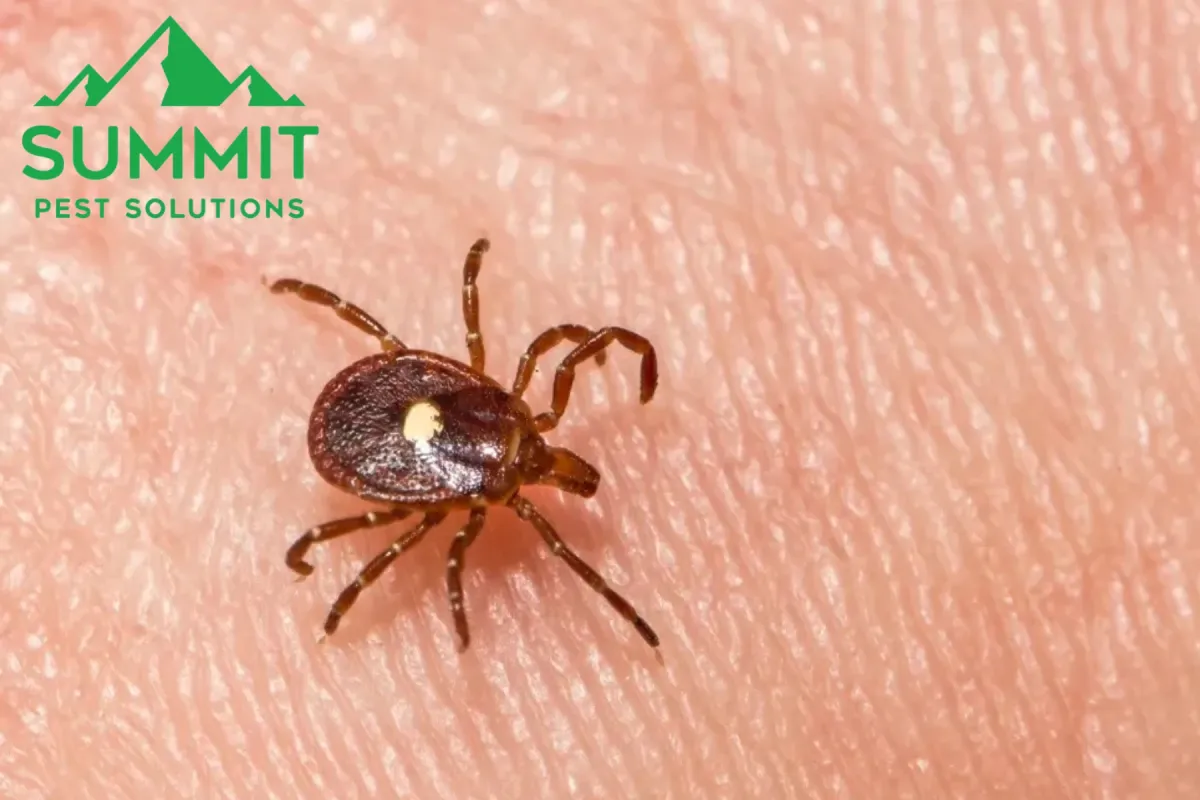
To find tick hotspots in your yard, check shaded areas, tall grass, leaf piles, dense shrubs, and wooded edges where ticks can find shelter and moisture. Improving tick control starts with identifying these areas, maintaining your lawn, and addressing tick activity with suitable treatment when needed.
Where Do Ticks Commonly Gather in a Yard?
Ticks are not usually spread evenly across a lawn. They tend to favor areas with shade, moisture, and vegetation that protects them from direct sunlight. These spots may also attract animals that carry ticks onto your property.
Start by checking places where the lawn meets trees, shrubs, fences, or wooded areas. Pay attention to sections of the yard that receive little sunlight or have accumulated leaves and other debris.
6 Common Tick Hotspots to Check Around Your Property
- Tall grass and overgrown lawn edges: Untrimmed grass and weeds provide cover for ticks. Check along fences, garden borders, and areas where the lawn meets taller vegetation.
- Leaf piles and yard debris: Fallen leaves, branches, and other debris can create damp, sheltered areas where ticks may survive.
- Wooded edges and brush: The boundary between your lawn and nearby trees or thick brush is worth checking. These areas may also attract animals that carry ticks.
- Garden beds and dense landscaping: Thick ground cover, shrubs, and closely planted vegetation can limit sunlight and hold moisture.
- Stone walls and wood piles: These features can provide shelter for small animals that may bring ticks into your yard.
- Shaded areas beneath decks and outdoor structures: Spaces under decks and sheds may collect debris and stay damp, making them useful areas to inspect.
Finding one of these conditions does not automatically mean ticks are present. However, checking these spots can help you identify areas that may need attention.
Why Do Ticks Prefer Certain Yard Conditions?
Many tick species are sensitive to drying out. Shaded areas and ground cover can help them avoid direct sunlight and dry conditions.
Common conditions that may support tick activity include:
- Shade: Trees, shrubs, and outdoor structures can block direct sunlight.
- Moisture: Damp soil and vegetation can provide more suitable conditions than dry, exposed areas.
- Leaf litter: Fallen leaves offer cover close to the ground.
- Dense vegetation: Thick plants and brush provide places for ticks to wait for passing hosts.
- Animal activity: Wildlife and other animals can carry ticks into a yard.
This explains why a well-maintained lawn can still have tick activity around its edges, garden beds, or shaded corners.
How to Inspect Your Yard for Tick Hotspots
A useful yard inspection should cover more than the open lawn. Walk around the property and look for thick vegetation, accumulated leaves, and signs of animal activity.
A 5-Step Yard Inspection Checklist
- Start along the property edges. Check where maintained grass meets wooded areas, brush, fences, and neighboring vegetation.
- Look for damp, shaded spots. Inspect beneath shrubs and trees, as well as under decks and outdoor structures.
- Check leaf litter and ground cover. Look around garden beds, fallen leaves, and places where yard debris collects.
- Notice animal activity. Look for signs that wildlife or other animals regularly move through the property.
- Record areas of concern. Make a note of places where you have found ticks or where pets and family members have picked them up.
If you have pets, pay attention to the areas they visit most often. Dogs and cats can pick up ticks while moving through grass, brush, and other vegetation.
How Can You Check for Ticks in Grass and Vegetation?
One way to monitor certain areas is through a method called tick dragging or flagging. It involves moving a light-colored cloth across vegetation to check whether ticks attach to it.
This method can help reveal tick activity in selected areas, especially along grassy edges and low vegetation. However, it has limitations. A negative check does not prove that your yard is free of ticks, and results can depend on the tick species, weather, and conditions during the inspection.
Wear suitable clothing when checking vegetation, avoid handling ticks directly, and inspect your clothing and exposed skin afterward. If you keep finding ticks, consider having the property assessed by a professional pest control in Luther.
Which Yard Areas Should You Prioritize for Tick Control?
Not every part of your property needs the same level of attention. Start with places where ticks have already been found or where people and pets spend time outdoors.
| Yard Area | Why It May Support Tick Activity | Recommended Action |
| Wooded edges | Dense vegetation and nearby animal activity | Trim overgrown vegetation and maintain a clear boundary |
| Leaf piles | Moisture and protected ground cover | Remove accumulated leaves and debris |
| Tall grass | Shelter and access to passing hosts | Mow regularly and maintain lawn edges |
| Garden beds | Shade, moisture, and dense plants | Reduce excessive ground cover and trim shrubs |
| Wood piles | Shelter for small animals | Store firewood neatly and away from frequently used areas |
| Under decks | Shade and possible animal nesting areas | Remove debris and check for signs of animal activity |
How to Decide Which Hotspots Need Attention First
Use these priorities when planning yard maintenance:
- Areas where ticks have already been found.
- Places where pets and family members spend time outdoors.
- Overgrown or wooded edges connected to the lawn.
- Damp areas with leaf litter or dense vegetation.
- Less-used spaces where debris and animal activity collect.
For homeowners looking into pest control in Luther, OK, checking these areas is a practical first step. It helps identify which parts of the yard may need cleanup, closer monitoring, or professional attention.
How to Improve Your Yard’s Tick Control
Once you have identified possible hotspots, focus on reducing the conditions that allow ticks to gather. Regular yard maintenance can make some areas less suitable for them, although it cannot guarantee that every tick will be removed.
7 Practical Ways to Reduce Tick-Friendly Conditions
- Mow the lawn regularly. Keep grass maintained, especially near patios, play areas, and other outdoor spaces.
- Remove leaf litter. Clear fallen leaves, branches, and other debris around trees, fences, and garden beds.
- Trim overgrown vegetation. Cut back dense shrubs and weeds along property edges.
- Create a clear boundary near wooded areas. A strip of wood chips or gravel between maintained lawn and wooded vegetation may help create separation.
- Store firewood properly. Keep wood neatly stacked in a dry area and away from places where people regularly gather.
- Reduce conditions that attract small animals. Secure trash, remove accessible food sources, and avoid leaving pet food outside.
- Maintain outdoor spaces. Check beneath decks, around sheds, and along fences for debris and dense growth.
How Landscaping Changes Can Help With Tick Prevention
The way your yard is arranged can affect where ticks find shelter. Keeping grass and outdoor seating areas separate from dense vegetation may reduce contact with places where ticks are more likely to gather.
Keep garden beds trimmed, remove unnecessary ground cover, and maintain clear paths around the property. If your lawn borders a wooded area, pay particular attention to the boundary between the trees and the grass.
These changes support ongoing prevention, but they should not replace tick checks on pets or personal precautions after outdoor activities.
What Is the Difference Between Yard Maintenance and Professional Tick Treatment?
Yard maintenance and professional treatment serve different purposes. Cleaning up vegetation and debris can reduce suitable tick habitats, while professional treatment may help address existing activity in selected areas.
| Approach | Main Purpose | Examples | Limitation |
| Yard maintenance | Reduce conditions that support ticks | Mowing, trimming, and removing leaves | Does not guarantee all ticks are removed |
| Habitat changes | Make the yard less suitable for ticks and animal hosts | Clearing brush and storing firewood properly | May not address existing tick activity |
| Monitoring | Identify areas where ticks may be present | Tick dragging or checking pets | A negative check does not confirm the yard is tick-free |
| Professional treatment | Address tick activity in suitable areas | Granule application and other targeted methods | Results depend on the property and treatment plan |
When Should You Consider Professional Tick Control?
Professional help may be worth considering when:
- You continue finding ticks in the same yard areas.
- Pets frequently bring ticks inside after spending time outdoors.
- Your property has wooded edges or dense vegetation that is difficult to maintain.
- You have cleaned up the yard but still notice tick activity.
- You want a professional assessment of where treatment may be appropriate.
A professional can inspect the property, assess the level of activity, and explain which treatment options may fit the situation. This can help when you are unsure whether the problem is limited to one area or affects several parts of the yard.
Common Tick Control Myths That Can Leave Hotspots Untreated
Some common beliefs about ticks can lead homeowners to overlook areas that need attention. Understanding where ticks gather and how they move can help you make better decisions about yard maintenance and treatment.
Myth 1: Ticks Live Only in Tall Grass
Reality: Ticks may also be found in leaf litter, brush, garden edges, shaded areas, and wooded boundaries. A short lawn does not mean every part of the property is free from ticks.
Myth 2: A Short Lawn Means Your Yard Is Tick-Free
Reality: Mowing helps reduce suitable habitat in grassy areas, but ticks may remain around shrubs, debris, and wooded edges. Yard maintenance needs to cover more than the middle of the lawn.
Myth 3: Ticks Fall From Trees Onto People and Pets
Reality: Ticks generally wait on vegetation or move through areas where hosts pass. They do not typically drop from tree branches onto people. Checking low vegetation and areas where animals travel is more useful.
Myth 4: Removing Wildlife From the Yard Solves Tick Problems
Reality: Different animals can carry ticks, so removing one animal does not guarantee that tick activity will stop. Focus on reducing conditions that attract animal hosts and keeping the yard maintained.
Myth 5: One Treatment Will Keep Ticks Away All Season
Reality: Tick activity can change with weather, vegetation, and animal movement. Treatment needs depend on the property and the conditions around it. Yard maintenance and regular monitoring may still be needed after treatment.
Applying Our Family-Owned Tick Treatment Approach
At Summit Pest Solutions, our approach combines property inspections, professional tick treatment, and practical recommendations for prevention. As a family-owned company, we bring years of experience, licensed expertise, environmentally friendly products, and cutting-edge equipment to the properties we serve.
Start With an Inspection and a Treatment Plan
We begin by assessing the property and checking for signs of flea or tick activity. This helps us identify areas that may need attention and choose a treatment plan based on the yard’s condition.
Rather than assuming every property has the same problem, we consider its layout, vegetation, and signs of pest activity. This is especially important when ticks are being found in specific areas rather than throughout the lawn.
Use Granule Application for Lawn Treatment
Granule application is one of the methods included in our flea and tick control process. Granules are spread across the lawn with a broadcast spreader to provide an even application.
This treatment method can be used in suitable lawn areas to address flea and tick activity. The specific approach depends on the property’s condition and the level of activity identified during the inspection.
Follow the Water-and-Dry Instructions
After granule application, watering the lawn helps activate the granules. The treated area should then be allowed to dry before family members and pets return.
Our technicians can explain the instructions for your specific service, including when to water and when the treated area can be used again. Follow the directions provided for your treatment.
Get Personal Service From a Family-Owned Team
Summit Pest Solutions values honest communication, fair pricing, and personal service. Our family-owned team aims to make the process clear, from the first conversation to the treatment recommendations.
We combine years of experience and expertise with environmentally friendly products and professional equipment. We also focus on five-star service and affordable pricing, so customers understand their options and know what to expect.
For homeowners comparing Luther pest control options, our team can discuss the property’s tick activity and explain the available service options. We want customers to feel comfortable asking questions and confident about the next steps.
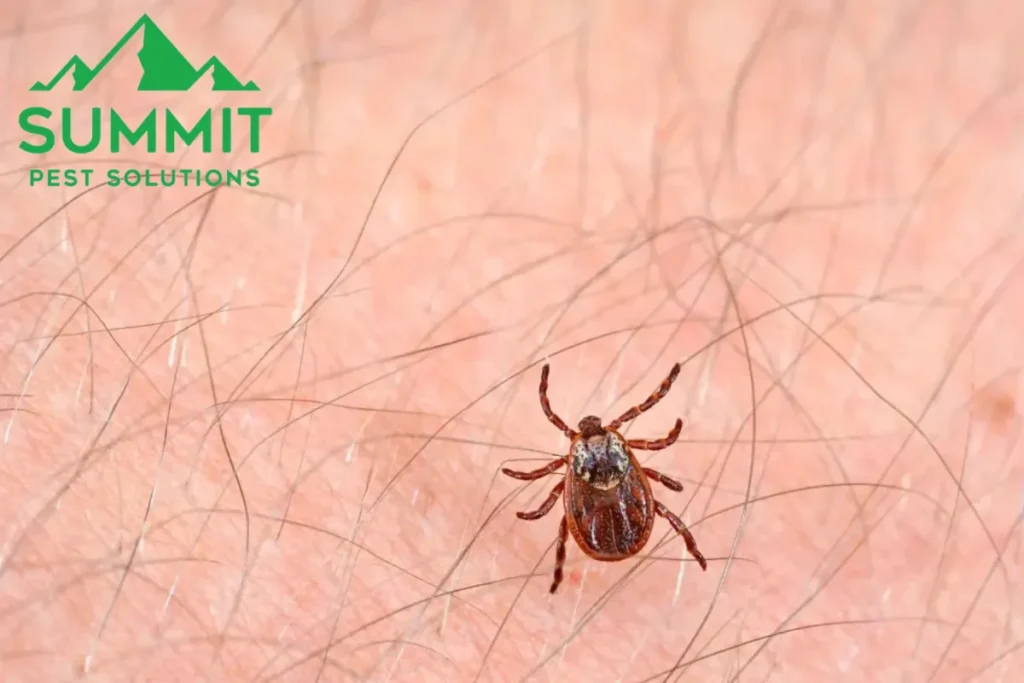
People Also Ask About Yard Tick Control
Where are ticks most commonly found in a yard?
Ticks are often found in shaded, damp areas with tall grass, leaf litter, brush, and wooded edges. Their location depends on the surrounding conditions and the presence of animal hosts.
How do I know if my yard has a tick hotspot?
You may notice ticks on pets or clothing after visiting a particular area. Tick dragging or flagging can also help check certain vegetation, but a negative result does not prove that the yard is tick-free.
Does mowing the lawn help control ticks?
Yes. Regular mowing can reduce suitable habitat in grassy areas. However, ticks may still be present in shrubs, leaf litter, brush, and wooded edges.
What attracts ticks to a yard?
Shade, moisture, dense vegetation, leaf litter, and animal hosts can support tick activity. Keeping the yard maintained and reducing debris can help make some areas less suitable for ticks.
Should I treat my entire yard for ticks?
Not every property needs the same treatment approach. The right plan depends on the yard’s layout, the areas where ticks are found, and the level of activity. A professional inspection can help identify where treatment may be appropriate.
Find Tick Hotspots and Improve Your Yard’s Protection
Ticks often gather in specific parts of a yard rather than spreading evenly across the lawn. Checking shaded spaces, leaf litter, tall grass, and wooded edges can help you find areas that need attention. Regular mowing, trimming vegetation, removing debris, and monitoring pets can also support your prevention efforts.
Summit Pest Solutions is a family-owned company that values personal service, honest recommendations, and professional care. Our team uses property inspections and treatment methods suited to the yard, with a focus on helping homeowners enjoy their outdoor spaces with greater peace of mind.
Contact us today to discuss your yard’s tick activity and request a free quote. We are happy to answer your questions and help you choose the next step for your property.

