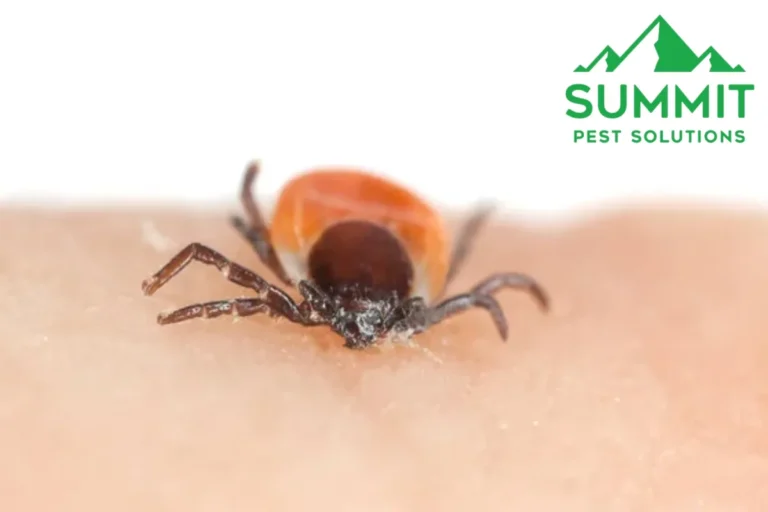

Why Cleaning Up Leaves in Early Spring Is the Best Way to Stop Ticks Before They Bite
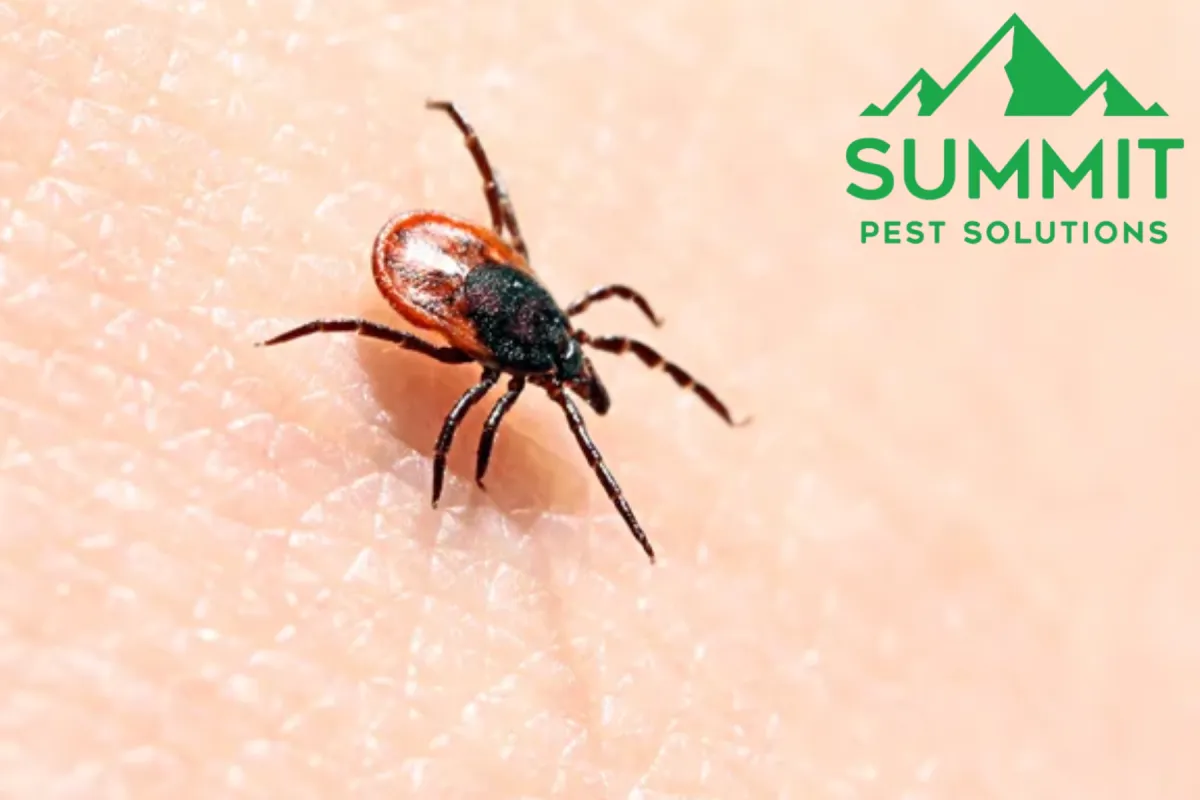
Finding a tiny, dark, rounded bug crawling across your clothing, pet, floor, or yard can immediately raise a question: is it a tick? Not every small pest that resembles a tick is actually one. Mites, beetles, fleas, and other arthropods can sometimes look similar at a glance.
Knowing a few basic identifying features can help you determine what you found and decide what to do next.
What Bugs Can Look Like Ticks?
Several small arthropods may be mistaken for ticks because of their size, color, or rounded body shape. Some common possibilities include:
- Mites: Certain mites are extremely small and can resemble immature ticks.
- Fleas: Fleas are small and dark, although their laterally flattened bodies and jumping behavior can help distinguish them from ticks.
- Small beetles: Some beetles have compact, rounded bodies and may be mistaken for ticks when viewed briefly.
- Clover mites: These tiny reddish-brown mites can appear around windows, walls, patios, and other areas near vegetation.
- Other small arthropods: Spiders and other mites may occasionally be confused with ticks based on their size and number of legs.
Because appearance can vary considerably between species and life stages, identification should not rely on color or size alone.
How Can You Tell If a Bug Is Actually a Tick?
When trying to identify a suspicious pest, look at several characteristics rather than focusing on one feature.
Count the Legs
Ticks are arachnids, which means they have eight legs as adults and nymphs. Insects have six legs.
However, very small specimens can be difficult to examine accurately without magnification. Immature ticks may also look different from fully grown ticks, so leg count should be considered alongside other features.
Look at the Body Shape
Ticks generally have a compact body with the legs positioned around the front portion of the body. Their appearance can change after feeding because the body expands.
Other pests may have a visibly segmented, flattened, elongated, or more distinctly shaped body.
Check the Size and Color
Ticks vary in size depending on their species and life stage. Their colors can also range from lighter brown to dark brown or nearly black.
That means size and color alone are not reliable ways to identify a tick. A tiny dark pest could belong to several different groups.
Consider Where You Found It
Location can provide another clue. A pest found attached to skin or moving through vegetation may require a different line of investigation than one repeatedly appearing around windows or indoor surfaces.
The surrounding environment does not confirm an identification, but it can help narrow down the possibilities.
What Do Ticks Usually Look Like?
Ticks have a small, flattened body and eight legs during their nymph and adult stages. Their appearance varies by species and life stage.
A tick may become noticeably larger and more rounded after feeding. Unfed ticks can be quite small, which is one reason they may be confused with other tiny pests.
If you suspect you have found a tick, avoid relying solely on a general description. A clear photograph, close examination, or professional identification may be necessary when the distinction matters.
What Are Mites, and Can They Look Like Ticks?
Mites are close relatives of ticks and belong to the same broad group of arachnids. Some mites are so small that they may be difficult to see clearly without magnification.
Because mites and ticks can share characteristics such as eight legs and small body sizes, they can be especially difficult to distinguish without a close examination.
Their behavior and habitat can provide additional clues. For example, some mites are associated with plants, soil, stored materials, or indoor environments rather than attaching to people or animals.
Can Fleas Be Mistaken for Ticks?
Fleas can sometimes be confused with ticks because both are small and may appear dark in color.
There are important differences, however. Fleas have six legs and are laterally flattened, allowing them to move efficiently through animal fur. They are also capable of jumping.
Ticks do not jump like fleas. They generally crawl and may attach to a host while feeding.
If you see a tiny pest moving quickly or repeatedly jumping from a pet or surface, a flea may be more likely than a tick.
Can Small Beetles Look Like Ticks?
Some small beetles can look surprisingly similar to ticks when viewed from a distance. A dark, rounded beetle moving across a floor or wall may initially be mistaken for an arachnid.
Looking closely at the legs and body structure can help. Beetles are insects and therefore have six legs. They also have characteristic body structures associated with beetles, including hardened wing covers.
If the pest is too small to examine confidently, avoid assuming that its appearance alone identifies it.
What Are Clover Mites?
Clover mites are extremely small mites that may be encountered around buildings, especially near vegetation and landscaped areas.
They are often reddish or reddish-brown and can appear around windows, walls, foundations, patios, and other surfaces.
Their small size can cause confusion with other arthropods. Unlike ticks, clover mites are not known for attaching to people as feeding parasites.
If large numbers are repeatedly appearing around a structure, the location and surrounding vegetation can provide useful clues when determining what you are seeing.
Why Are Tick Lookalikes Difficult to Identify?
Several factors can make identification challenging:
- Small size: Many of these pests are difficult to inspect without magnification.
- Similar colors: Brown, black, and reddish coloration occurs across many types of arthropods.
- Different life stages: Immature pests may look substantially different from adults.
- Limited visibility: A pest moving quickly may only be visible for a few seconds.
- Poor photographs: Blurry or distant images may hide important identifying features.
- Similar body shapes: Several unrelated pests can have compact or rounded bodies.
For these reasons, identification should be based on multiple characteristics rather than a single visual feature.
Does Finding a Tick Lookalike Mean You Have a Pest Problem?
Not necessarily.
Finding one unidentified pest does not automatically establish an infestation. Some arthropods enter homes accidentally, while others may be associated with nearby vegetation, soil, pets, moisture, or seasonal conditions.
The pattern matters more than a single sighting. Repeated sightings, increasing numbers, pests appearing in multiple areas, or unexplained activity around pets or people may warrant a closer inspection.
For homeowners seeking pest control in Edmond, OK, identifying the pest correctly should come before deciding what treatment, if any, is appropriate.
What Should You Do If You Find a Bug That Looks Like a Tick?
Start by avoiding unnecessary contact. If possible, capture the specimen without crushing it so it can be examined more closely.
You can also:
- Take a clear photograph from above and, if possible, from the side.
- Note where you found it, such as clothing, carpeting, a pet, vegetation, or near a window.
- Observe its behavior, including whether it jumps, crawls, or remains attached.
- Check whether additional specimens are present.
- Look for recurring activity in the same area.
- Avoid applying pest treatments before identification when the pest is still unknown.
A useful photograph should be well lit and close enough to show the body’s shape and legs.
What If the Bug Was Attached to Your Skin?
If you find a suspected tick attached to your skin, treat the situation differently from simply finding an unidentified bug indoors.
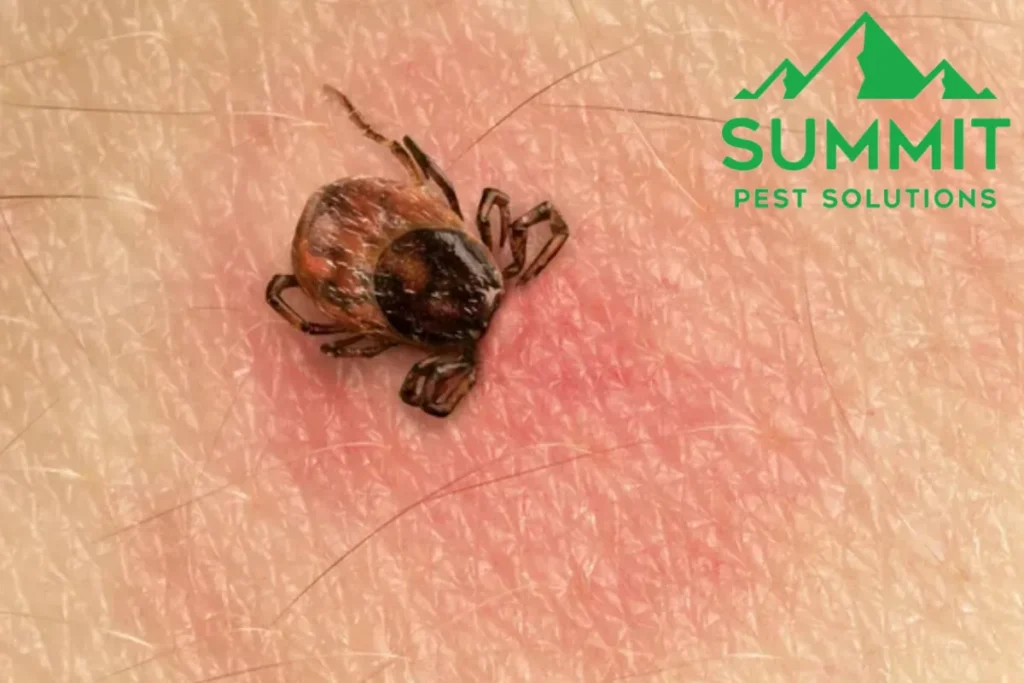
A tick should be removed promptly using an appropriate tick-removal technique rather than crushed or pulled apart. After removal, monitor the bite site and your health for concerning symptoms and seek medical advice when appropriate.
If the specimen is available, keeping it in a suitable container or taking a clear photograph may help with later identification, although identification from an image is not always definitive.
When Should You Contact a Pest Professional?
Professional help can make sense when you cannot determine what the pest is, when sightings continue, or when multiple pests are appearing around the property.
Consider an inspection if:
- You repeatedly find similar pests indoors.
- The number of sightings is increasing.
- The pests are appearing in several rooms or areas.
- You suspect activity around pets or frequently used outdoor spaces.
- You cannot determine whether the pest is a tick, mite, flea, or another pest.
- You have already tried to address the issue, but the activity continues.
A professional tick control assessment can help identify environmental conditions that may be contributing to recurring pest activity.
What Happens During a Professional Pest Inspection?
A pest professional will typically begin by identifying the pest and determining where activity is occurring.
Depending on the situation, an inspection may consider:
- Where the pests were found
- Whether activity is recurring
- Exterior vegetation and surrounding conditions
- Potential entry points
- Moisture or conducive conditions
- Pet areas and other potential sources
- Evidence of additional pest activity
The goal is not simply to treat whatever is visible. Correct identification helps determine whether treatment is appropriate and what factors should be addressed first.
For homeowners researching Edmond pest control, this diagnostic step can be particularly useful when the pest has been mistaken for a tick or another species.
How Can You Prevent Recurring Pest Activity?
Prevention depends on what is actually causing the activity. There is no single prevention method that works for every tick lookalike.
General steps include:
- Keep vegetation and ground cover maintained around structures.
- Reduce unnecessary debris near the foundation.
- Address moisture problems and areas where water accumulates.
- Keep outdoor areas reasonably clean and accessible for inspection.
- Check pets regularly when they spend time outdoors.
- Wash or inspect outdoor clothing and equipment after activities in areas where ticks may occur.
- Seal obvious gaps or openings that allow pests to enter the building.
- Pay attention to recurring activity instead of isolated sightings.
If the pest is identified as a species associated with a particular environmental condition, prevention can then be tailored to that pest. This approach can also help make pest control in Edmond more targeted when recurring activity is linked to specific conditions.
Can You Identify a Tick From a Photo?
A clear photograph can provide useful clues, but it does not always provide enough information for definitive identification.
Try to photograph the pest from close range with good lighting. Include a size reference when practical and avoid using an object that could obscure the pest’s body.
Important features may include:
- Number and position of legs
- Body shape
- Color and markings
- Approximate size
- Visible mouthparts
- Whether the body appears flattened or rounded
When the pest is too small or the photograph is unclear, professional identification may be more reliable.
Why Correct Identification Matters
Treating the wrong pest can waste time and may fail to address the reason the pest is appearing.
For example, a pest associated with vegetation may require a different approach from one associated with pets or an indoor food source. Likewise, finding a mite does not automatically mean the same response is appropriate as finding a tick.
Correct identification helps connect the visible pest with its likely habitat, behavior, and appropriate next steps.
FREQUENTLY ASKED QUESTIONS
What bugs are commonly mistaken for ticks?
Mites, fleas, small beetles, clover mites, and other small arthropods can sometimes be mistaken for ticks. Their similarities in size or color can make identification difficult.
How can I tell if a bug is actually a tick?
Look at its legs, body shape, size, behavior, and where it was found. Ticks are arachnids and have eight legs during their nymph and adult stages.
Are mites and ticks the same thing?
No. Ticks and mites are both arachnids, but they are different types of organisms with different characteristics and behaviors.
Can fleas look like ticks?
They can appear similar because both are small and may be dark in color. Fleas have six legs, are flattened from side to side, and can jump.
What should I do if I cannot identify a bug I found?
Take a clear photograph, note where you found it, and monitor whether additional specimens appear. If the activity continues or identification is important, consider having the pest professionally identified.
Can a tick look different after feeding?
Yes. A feeding tick can become larger and more rounded than an unfed tick, which can make its appearance noticeably different.
When should I have a pest professional identify the bug?
Consider professional help when sightings are recurring, increasing, widespread, or difficult to identify, particularly when you suspect the pest may be associated with a larger pest issue.
Conclusion
Not every tiny bug that resembles a tick is actually a tick. Comparing leg count, body shape, size, behavior, and location can provide useful clues, but very small pests may require closer examination for reliable identification.
When the pest remains uncertain or sightings continue, professional identification can help determine what you are dealing with and what steps make sense next.
Get Help Identifying Unwanted Pests
If you keep finding small pests around your home and cannot determine what they are, Summit Pest Solutions can help assess the situation and identify potential pest concerns.
Contact us today to discuss recurring pest activity and determine the appropriate next step for your property.
LEARN MORE HERE:
The Tick Threat: Protecting Your Family and Pets in Edmond OK
Tick Talk: Protecting Your Home and Family with Summit’s Pest Control Edmond OK Solutions