


How Do Pest Control Professionals Inspect a Home for Hidden Pest Infestations
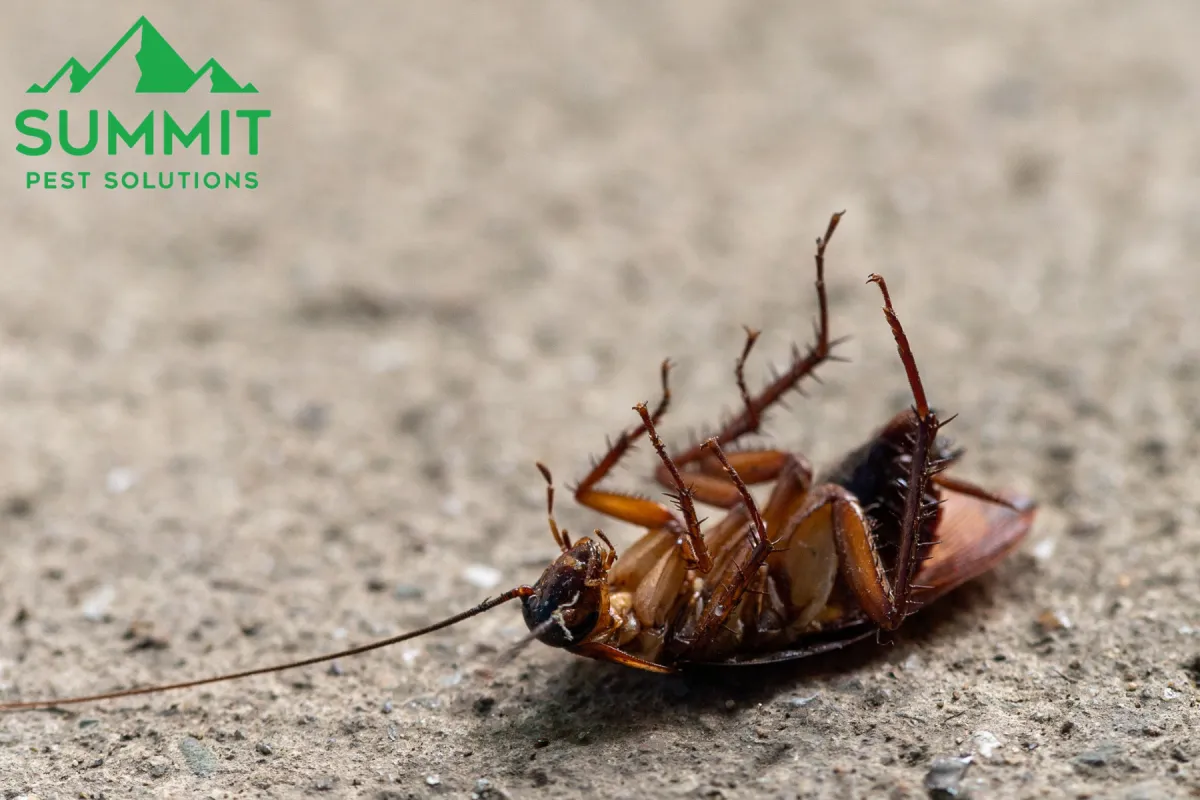
Pest control professionals inspect a home for hidden pest infestations by checking entry points, examining areas where pests may hide, and looking for signs such as droppings, damaged materials, nests, and insect activity. They use this evidence to identify the likely pest, assess the problem, and recommend suitable treatment or prevention steps.
Why Is a Professional Pest Inspection Important?
Pests do not always appear where homeowners can easily see them. Rodents may hide in attics or wall openings, cockroaches can stay behind appliances, and some insects may live in small gaps around floors, cabinets, or plumbing.
A professional inspection helps connect these hidden signs with possible sources of the problem. A technician may find droppings near a cabinet, gaps around pipes, damaged wood, or moisture that attracts certain pests. These clues help determine what may be happening and whether further investigation is needed.
An inspection also helps prevent guesswork. Different pests require different control methods, and signs that look similar may have different causes. Identifying the likely pest and the conditions supporting it helps the technician recommend an appropriate plan.
What Can an Inspection Reveal?
- Pest evidence: Droppings, shed skins, damaged packaging, nests, or visible insects.
- Entry points: Cracks, gaps, damaged screens, and openings around pipes or utility lines.
- Hiding places: Sheltered areas where pests may rest, nest, or move out of sight.
- Breeding sites: Places that provide suitable conditions for certain pests to reproduce.
- Conditions that attract pests: Excess moisture, accessible food, clutter, or other factors that may support pest activity.
These findings help guide the inspection, but one sign does not always confirm an active infestation. Professionals consider the location and condition of the evidence before deciding what to recommend.
How Do Pest Control Professionals Inspect a Home Step by Step?
A professional inspection usually follows a clear process. The exact steps depend on the suspected pest, the size of the property, and the signs the homeowner has reported.
1. Ask About the Problem
The inspection often starts with a conversation. The technician may ask when you first noticed the problem, where you have seen pests, and whether activity occurs at certain times of day.
You may also be asked about scratching sounds, damaged food packages, unusual odors, or previous treatments. If pests returned after an earlier service, that information can help the technician look for an overlooked entry point or a condition that continues to support activity.
Before the appointment, write down your observations and take photos of visible evidence when possible. Avoid disturbing suspected nests or pest waste, and ask the technician how to handle evidence safely.
2. Check the Outside of the Home
Pests may enter through small openings around foundations, doors, windows, vents, siding, and utility lines. A technician checks accessible parts of the exterior for cracks, damaged screens, gaps, and other possible entry points.
The inspection may also include areas around garbage containers, outdoor storage, vegetation, and places where water collects. These conditions can attract some pests or provide shelter close to the house.
Finding a possible entry point does not automatically prove that pests are using it. The technician considers the opening alongside other evidence, such as droppings, tracks, or damage nearby.
3. Examine Kitchens, Bathrooms, and Living Areas
Kitchens and bathrooms often receive close attention because they may provide food, water, warmth, or shelter. A technician may inspect beneath sinks, around plumbing, inside cabinets, and near appliances where access is safe and practical.
In the kitchen, droppings, damaged packaging, or insect activity may suggest that pests are searching for food. In bathrooms, leaks and damp areas may point to conditions that attract certain insects.
Other rooms are checked based on the reported problem. Baseboards, storage spaces, and areas behind furniture may provide useful clues, especially when pests are rarely seen in open areas.
4. Inspect Attics, Basements, and Other Hidden Spaces
Attics, basements, crawl spaces, garages, and storage rooms can be important parts of an inspection. These areas may provide shelter and contain signs that are easy to miss during everyday cleaning.
Technicians look for nesting material, droppings, gnaw marks, shed skins, or damaged insulation. They may also examine accessible gaps around pipes and other openings where pests could travel.
Not every space can be inspected without moving stored items or gaining special access. If a suspected hiding place cannot be reached safely, the technician may explain what access is needed or recommend further inspection.
5. Identify the Pest and Assess the Evidence
Once the technician gathers evidence, they compare the signs with the habits and features of likely pests. Gnaw marks and droppings, for example, may point toward rodent activity, while shed insect skins or damaged wood may suggest a different concern.
The technician also considers whether the signs appear recent or could be left over from an older problem. A single clue may not be enough to confirm an active infestation, particularly when pests are rarely seen.
When the evidence is unclear, monitoring or a follow-up visit may help. A reliable inspection should explain what the findings support and where uncertainty remains.
6. Explain the Findings and Recommend Next Steps
After the inspection, the technician should explain what was found, which pests may be involved, and what conditions could be contributing to the issue.
Recommendations may include targeted treatment, sealing suitable entry points, correcting moisture problems, improving food storage, or monitoring for further activity. The right plan depends on the pest and the evidence gathered.
For homeowners considering Nichols Hills pest control, a clear explanation of the findings helps them understand the proposed service, any preparation requirements, and whether follow-up may be needed.
Which Areas of a Home Are Most Likely to Hide Pests?
The areas professionals inspect depend on the suspected pest, but some locations commonly provide food, moisture, shelter, or access.
| Area | Signs a technician may look for | Possible pest concerns |
| Kitchen and pantry | Droppings, damaged food packaging, visible insects | Cockroaches, ants, pantry pests, rodents |
| Bathrooms and under sinks | Leaks, damp materials, insect activity | Cockroaches, ants, moisture-associated pests |
| Attic and roofline | Droppings, nesting material, gnaw marks | Rodents and other animals |
| Basement and crawl space | Moisture, entry gaps, pest evidence | Rodents, termites, other invading pests |
| Walls and baseboards | Small openings, frass, shed skins | Ants, termites, and other insects |
| Garage and storage areas | Nests, damaged boxes, droppings | Rodents, spiders, stored-product pests |
| Foundation and exterior | Cracks, gaps, mud tubes, pest trails | Termites, ants, rodents |
These signs are clues rather than automatic proof. A technician considers the location, appearance, and other evidence before identifying the likely cause.
What Tools Do Professionals Use During a Pest Inspection?
The tools used depend on the property and the pest being investigated.
- Flashlight: Helps reveal activity in dark corners, cabinets, and accessible openings.
- Inspection mirror: Allows technicians to view areas that are difficult to see directly.
- Moisture meter: Can help identify damp materials when moisture is relevant to the problem.
- Monitoring traps: Help detect activity and show where certain pests may be moving.
- Protective equipment: Supports safe inspection practices in areas that may contain pest waste or other hazards.
- Specialized equipment: May be needed for particular pests or difficult-to-access areas.
Tools help technicians gather information, but they do not replace careful observation and proper pest identification. Some infestations leave few visible signs, so monitoring or a more specialized inspection may be necessary.
How Can Professionals Tell Different Pest Signs Apart?
Different pests can leave evidence that looks similar at first. Professionals compare the signs with the location and conditions where they appear.
| Sign | What it may suggest | What else needs checking |
| Droppings | Possible rodent or insect activity | Size, location, appearance, and other signs |
| Gnaw marks | Possible rodent activity | Damaged material and nearby evidence |
| Shed skins | Insect activity or development | Pest type and whether activity appears current |
| Mud tubes | Possible termite activity | Location and confirmation by a qualified professional |
| Fine wood debris or frass | Possible wood-damaging insects | Type of debris and condition of the material |
| Scratching sounds | Possible rodents or other animals | Timing, location, and supporting evidence |
| Unusual odors | Possible pest activity or another issue | Source and other possible explanations |
A good inspection does not rely on one clue alone. Technicians consider several signs together and explain when more evidence is needed.
Myth: If You Cannot See Pests, Your Home Does Not Have an Infestation
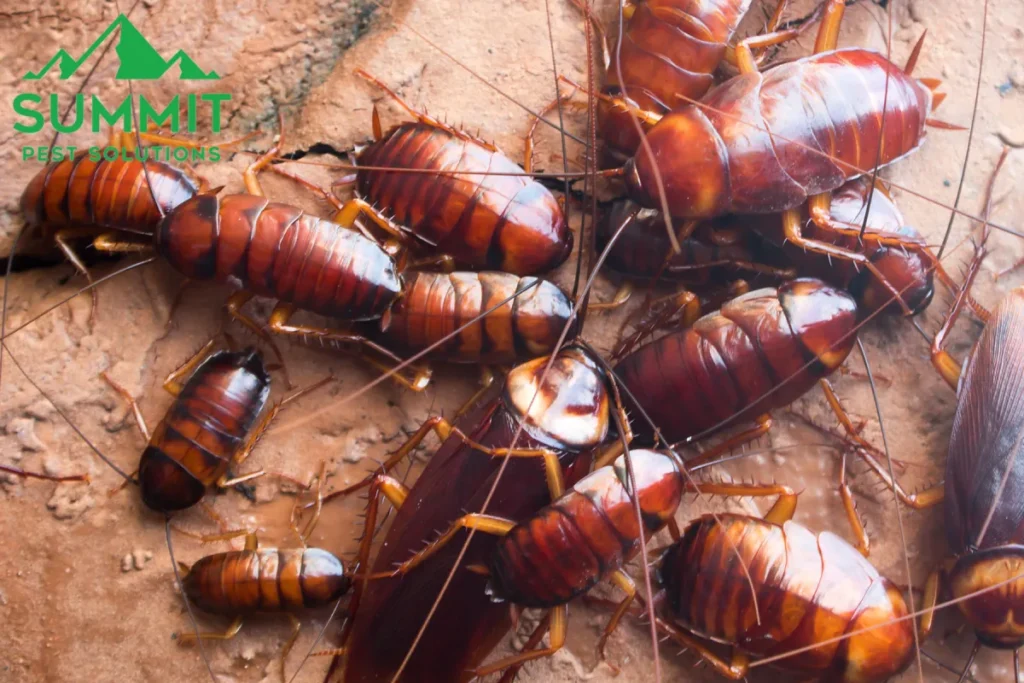
Not seeing pests does not necessarily mean they are absent. Some pests are active at night, avoid open spaces, or remain hidden in narrow gaps and enclosed areas.
Rodents may travel through attics or wall openings without entering rooms where people spend time. Cockroaches can hide behind appliances, while termites may damage wood before the signs become easy to notice.
However, an unexplained noise or mark does not automatically prove an infestation either. Professionals look for supporting evidence before recommending treatment.
If signs keep appearing or you cannot work out where the problem starts, an inspection can help you understand what may be happening and what to do next.
Applying Our Family-Owned, Experienced, and Eco-Friendly Approach to Solve This
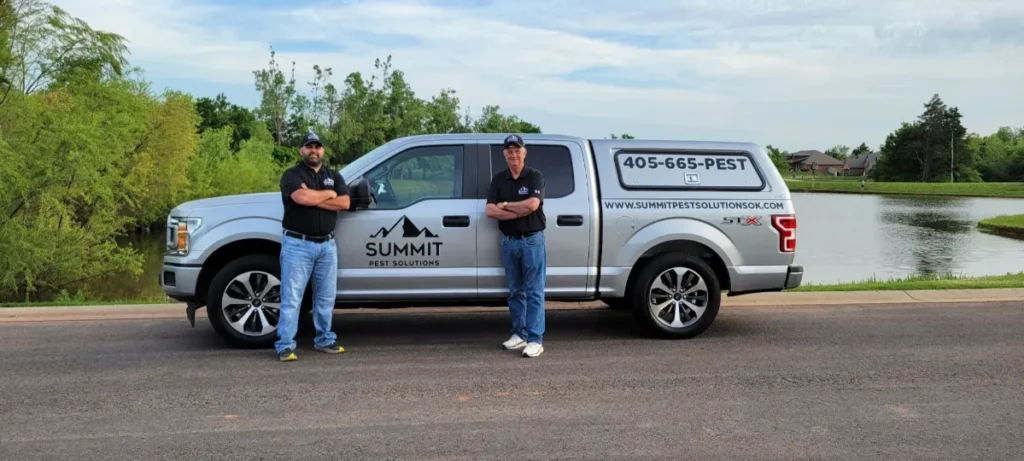
Summit Pest Solutions is a family-owned pest control in Nichols Hills, OK, with over 35 years of industry experience. We focus on personal service, clear communication, and practical recommendations based on the property and the pest problem.
Family-Owned Service and Personalized Inspections
Every property has different conditions. Our team takes the time to understand what you have noticed, inspect the relevant areas, and explain the findings in clear, everyday language.
Our owner-led service model also means you may speak directly with the owner when you first contact us. We want you to feel comfortable asking questions and understand the available options before deciding how to move forward.
Eco-Friendly and Humane Methods
We prioritize eco-friendly solutions and humane methods where appropriate to the pest and situation. Our approach follows Integrated Pest Management (IPM) principles, which consider pest identification, entry points, food and water sources, and other conditions that may support activity.
Rather than using the same approach for every problem, we consider the evidence and recommend suitable next steps. The method depends on the pest, the property, and the treatment needed. We also explain relevant precautions so customers can make informed decisions about their homes or businesses.
Clear Recommendations and Prevention Advice
An inspection is most useful when the findings lead to practical advice. Depending on the problem, recommendations may include treatment, sealing entry points, addressing moisture, improving sanitation, or monitoring for continued activity.
For homeowners seeking pest control in Nichols Hills, our goal is to explain what we found, why it matters, and what steps may help address the problem. We believe customers deserve honest answers and a plan that reflects their concerns.
People Also Ask
How Long Does a Professional Pest Inspection Take?
The time depends on the size of the home, the suspected pest, the areas that need checking, and how easy those areas are to access. Ask the provider for an estimate based on your property and concerns.
Can Pest Control Professionals Find Pests Inside Walls?
Professionals may find signs that point to pest activity inside walls, such as droppings, damage, noises, or entry gaps. Confirming the source may require monitoring or specialized inspection methods.
Should I Clean Before a Pest Inspection?
Keep relevant areas accessible, but avoid removing or disturbing evidence that may help identify the problem. If you find droppings, nests, or damaged materials, ask the technician how to handle them safely.
Do Pest Control Professionals Inspect the Outside of a Home?
Many residential inspections include accessible exterior areas, such as the foundation, doors, windows, vents, and possible entry points. The exact scope depends on the service and the pest being investigated.
What Happens If the Inspector Does Not Find Any Pests?
The technician can explain which areas were checked and discuss the signs you reported. If the evidence is unclear, monitoring or a follow-up inspection may help determine whether pest activity is present.
Is a Pest Inspection the Same as Pest Treatment?
No. An inspection focuses on finding evidence, identifying likely pests, and understanding conditions that may contribute to the problem. Treatment involves taking steps to manage the issue based on the findings and the agreed service plan.
Schedule a Professional Pest Inspection With Summit Pest Solutions
Hidden pest activity can be difficult to identify on your own. Droppings, damage, unusual sounds, and repeated sightings can all provide clues, but a careful inspection helps put those signs into context.
As a family-owned company with over 35 years of experience, Summit Pest Solutions is committed to honest communication, personalized service, and practical pest management options. We want you to understand the findings and feel comfortable asking questions about the recommended next steps.
If you have noticed signs of pests but cannot find the source, contact our team to discuss your concerns, request an inspection, or ask for a free quote.
