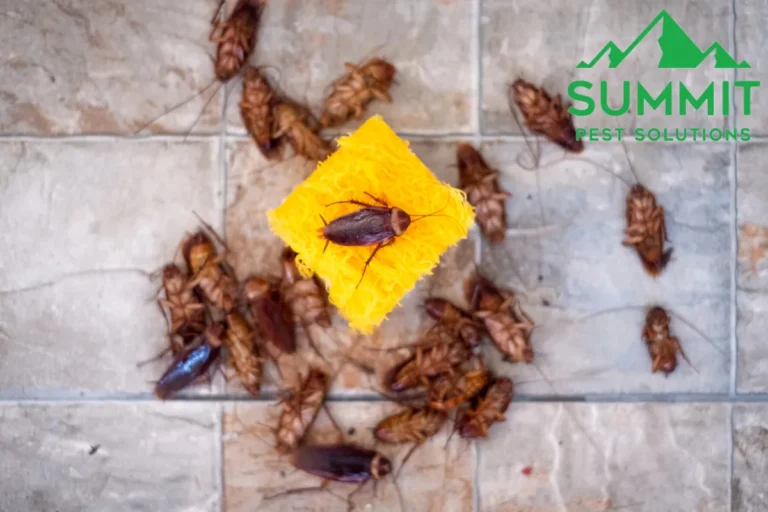

What’s the Difference Between Preventive Pest Control and Reactive Pest Control
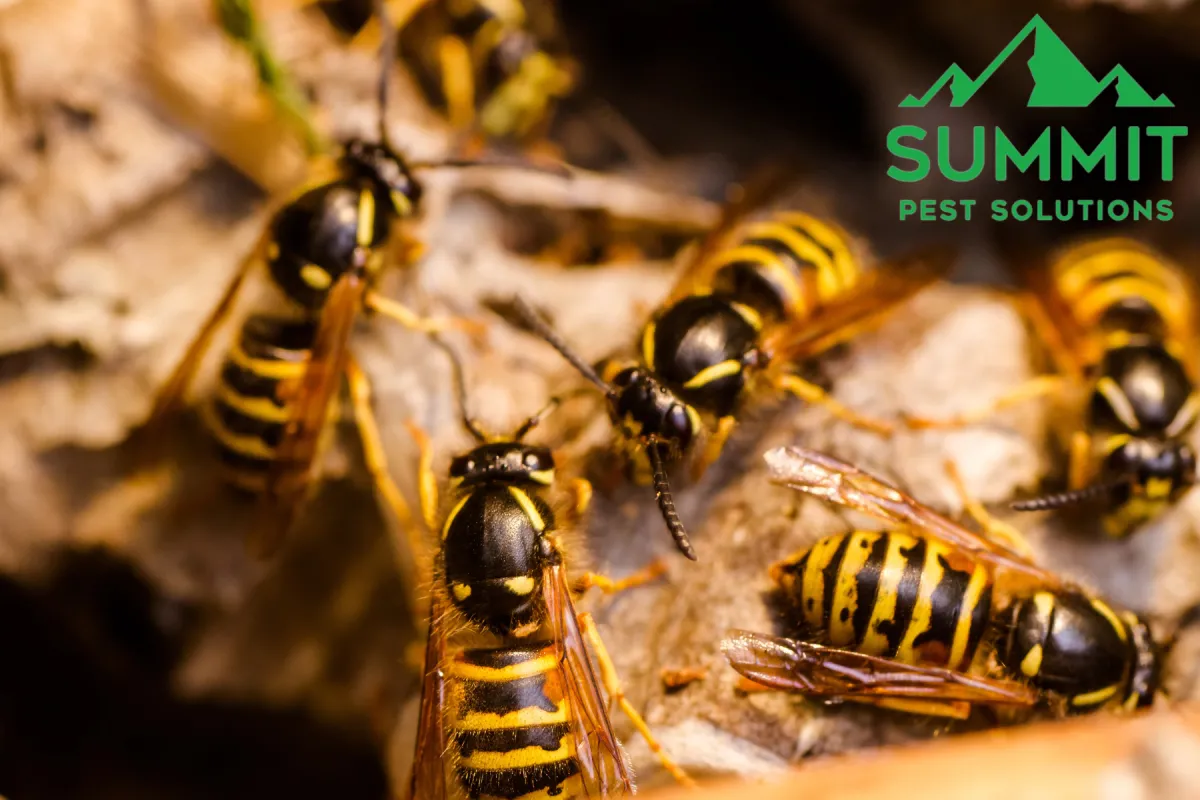
Preventive pest control focuses on establishing an active barrier and sealing structural gaps to stop pests before they enter, while reactive pest control targets active, established infestations inside the home. Proactive care manages breeding lifecycles externally, whereas reactive treatments deal with the aftermath of an ongoing invasion. Keeping your home protected requires shifting away from emergency responses and focusing on seasonal maintenance.
A sudden trail of ants on the kitchen counter or a mouse scurrying across the floor often triggers immediate concern. The instinctive reaction is to call for an immediate emergency service to eliminate the intruders. While these quick-response treatments are necessary during active crises, relying solely on reactive measures creates a frustrating cycle of recurring invasions followed by temporary fixes.
To maintain a peaceful home, it helps to understand how proactive systems work compared to emergency treatments. In areas experiencing rapid residential growth, such as Mustang, new construction projects frequently displace insects and rodents from their natural habitats, driving them directly into nearby yards. Choosing professional pest control in Mustang, OK helps you establish a continuous shield that intercepts these invaders at your property line before they can cause trouble.
Comparing Preventive Pest Control and Reactive Treatments
To make an informed decision for your property, it is helpful to look at how these two management philosophies compare across key areas. While reactive services focus on immediate knockdown of visible bugs, preventive programs focus on long-term safety and structural integrity. Understanding these differences allows you to choose the most efficient path to protect your living space.
Strategy and Outcome Matrix
| Service Metric | Preventive Pest Control (Proactive Defense) | Reactive Pest Control (Emergency Response) |
| Primary Goal | Stop pests from entering the home entirely | Eradicate large, active populations already inside |
| Primary Treatment Zone | Exterior foundation, doors, windows, and yard perimeter | Interior living spaces, cupboards, wall cavities, and closets |
| Products Used | Green and safe pesticides applied to targeted exterior pathways | Targeted treatments applied to active indoor nesting areas |
| Volume Applied Indoors | Minimal to none; treatments are kept outside the living space | Higher volume applied directly to interior surfaces |
| Financial Impact | Low, predictable, and highly cost-effective maintenance | High emergency service fees and potential repair costs |
| Household Disruption | Extremely low; rarely requires you to adjust your indoor routine | High; often requires prep work or leaving during treatment |
Investing in consistent pest control in Mustang keeps the focus on keeping your interior living spaces clean and untouched. Technicians work quietly around your home’s exterior to build a continuous shield that intercepts invaders. Conversely, a reactive plan only begins after pests have already crawled over your furniture, contaminated your food supplies, or chewed through your drywall.
The Step-by-Step Mechanics of Proactive Pest Defense
Building a dependable defensive shield around a home is a systematic, scientific process. It relies on consistent maintenance to disrupt pest lifecycles before they can establish nests inside your walls. Homeowners in Mustang find that local humidity and seasonal shifts make a step-by-step approach necessary to stop seasonal migrations before they reach the foundation.
- Vulnerability Assessment: Technicians inspect the home’s exterior foundation, crawlspaces, and roofline to find hidden access points.
- Mechanical Exclusion Sealing: Cracks in the foundation, gaps around utility lines, and worn door sweeps are sealed using durable materials like copper mesh and weather-resistant sealants.
- Targeted Micro-Perimeter Barriers: An exterior perimeter treatment is applied directly to high-traffic pathways to intercept crawling pests.
- Lifecycle Interruption: Technicians deploy targeted growth regulators that mimic natural hormones, preventing immature pests from breeding.
- Continuous Active Monitoring: Discreet monitoring stations are placed in high-risk zones, such as the garage or basement, to catch early insect activity long before bugs are seen in living areas.
Why Reactive Treatments Alone Fall Short
While an emergency service can quickly clear away a swarm of ants or a nest of wasps, it does not address the underlying reasons why those pests chose your home. Once the active treatment wears off, the physical pathways into your house remain wide open, meaning a new wave of pests can easily move in.
During a recent structural review for a homeowner seeking Mustang pest control, our team noticed that the property had undergone multiple emergency treatments for spiders over the previous year. Because the previous services never addressed the dense brush touching the siding or the unsealed gaps under the external doors, the spiders returned every few months. Shifting to a proactive defense stopped the cycle completely.
Debunking the Myth: “Professional Treatments are Only Needed When You See Pests”
A very common and expensive homeowner misconception is that your home only requires pest services when you physically spot insects or rodents crawling across the floor.
The Reality: Many of the most destructive and unhygienic pests, including termites, wood-boring beetles, and mice, are highly secretive and live completely out of sight. They build their nests deep inside wall cavities, attics, and sub-flooring, emerging only in total darkness. If you wait until you see pests in broad daylight, it usually means their hidden nesting colonies have already grown so large that they are overflowing into your living spaces. Preventative care neutralizes these pests long before they reach maximum capacity.
Applying Our Silent Sentry Prevention Strategy to Solve This
At Summit Pest Solutions, we do not believe in using broad-spectrum treatments that leave harsh odors inside your home. Instead, our team relies on a targeted, biological-first framework to block pests at the exterior threshold. We focus on physical exclusion and environmental modification to make your home permanently inhospitable to pests.
Our specialized process is designed around four key structural features:
Environmental Analysis: Our service begins with a thorough inspection. Our technicians meticulously identify potential entry points and evaluate the environment around your property to understand exactly what is drawing pests to your yard.
Targeted Eco-Shielding: We utilize safe, eco-friendly treatments that establish active barriers around your home’s exterior, safely managing pests while protecting your family, pets, and the local ecosystem.
Advanced Application Technology: Our technicians are highly trained, equipped with the latest tools and techniques to find hidden nesting zones and apply precise, long-lasting barrier treatments that withstand weather and sun exposure.
Quarterly Commercial Protection: We provide scheduled quarterly maintenance services for commercial offices, warehouses, and retail properties to keep businesses running smoothly year-round. To ensure the highest level of detail and quality, we focus entirely on professional environments and stay away from restaurant services.
People Also Ask
Is preventive pest control safer for children and pets than reactive treatments?
Yes. Because preventive treatments are applied primarily to the exterior perimeter of your home, your family and pets have virtually no contact with them. The environmentally friendly products used are dry and bound to the structure before you ever interact with the treated spaces.
Will rain wash away a preventive outdoor barrier?
No. Professional preventive treatments use specialized, micro-encapsulated formulas designed to bind directly to concrete, brick, and soil. These treatments are highly water-resistant and remain effective through heavy seasonal rains and high humidity.
How often should preventive treatments be applied?
For optimal year-round protection, quarterly treatments (four times a year) are highly recommended. This schedule allows technicians to adjust the applied treatments to target the specific pests active during each season, such as ants in spring, wasps in summer, and rodents in winter.
What is the difference between green pest control and traditional pest control?
Green pest control utilizes natural botanicals, low-toxicity products, and Integrated Pest Management (IPM) practices to manage pests with minimal environmental impact. Traditional pest control often relies on broader treatments, whereas green methods focus on target-specific applications and structural exclusion.
Reclaim Your Peace of Mind Today
Preventive pest control is not about reacting to a crisis; it is about building a durable, ongoing barrier that keeps pests out of your home entirely. By utilizing physical exclusion, targeted perimeter treatments, and regular seasonal maintenance, you can stop infestations before they ever start.
As new residential developments continue expanding in Mustang, construction activity tends to displace pests into established homes nearby. Our locally owned and operated, family-run service model ensures you receive personalized care tailored directly to your property.
With over 35 years of hands-on experience, our owner-led team at Summit Pest Solutions treats our customers like neighbors, because many of them are. We prioritize safe, eco-friendly treatments, reliable communication, and honest, transparent pricing to give you complete peace of mind.
Contact us today for approachable service and request an inspection and schedule your service.