


Drywood Termite Frass vs. Carpenter Ant Debris: A Macro-Level Identification Guide
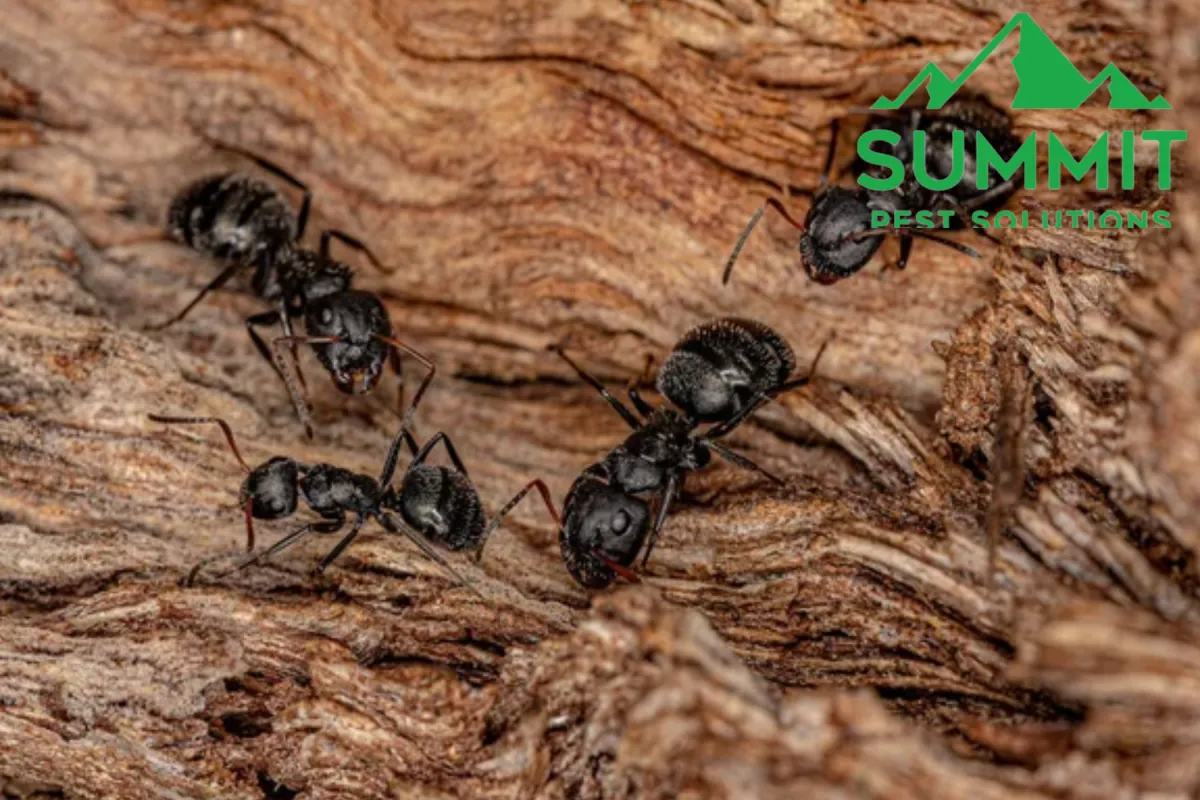
To distinguish drywood termite frass from carpenter ant debris at a macro level, you must examine the shape and contents of the material. Termite frass consists of hard, uniform, six-sided, barrel-shaped fecal pellets, whereas carpenter ant debris looks like soft, irregular wood shavings mixed with dead insect parts.
Finding unexpected piles of what looks like sawdust in your home or business can be stressful. Your mind immediately jumps to the worst-case scenario: structural damage and expensive repairs. However, accurately identifying the material left behind by wood-destroying insects is the crucial first step in effectively resolving the issue. Confusing one insect for another can lead to ineffective treatments, wasted money, and ongoing damage to your property.
Introduction to Wood-Destroying Insect Evidence
When assessing potential structural damage, identifying the insect responsible is everything. The stakes of misidentification are high because the eradication methods for termites and carpenter ants differ fundamentally.
The first step in proper identification is understanding what you are actually looking at. In the pest management industry, we frequently use the term “frass.” Scientifically, frass refers to the solid excrement or fecal matter of insects. However, it is also colloquially used to describe the excavated refuse, the bits of wood and debris, that insects push out of their galleries.
When we conduct inspections for property owners needing pest control in Warr Acres, we often find that what a customer assumes is one pest is actually another. Understanding the subtle macro-level differences between true fecal pellets and excavated refuse is the key to unlocking the right treatment plan.
Debunking a Common Industry Myth: “All Wood Dust Means You Have Termites”
A widespread misconception among property owners, and even some novice inspectors, is that any pile of sawdust found near a baseboard, window sill, or door frame is definitive proof of a termite infestation. This is a common industry myth that causes unnecessary panic.
In reality, drywood termites do not leave behind wood dust. They consume the wood for its cellulose and excrete distinct, uniform fecal pellets. True wood dust or shavings are almost never the result of drywood termites. A common misconception we hear when providing Warr Acres pest control is that all wood-boring bugs eat wood. Carpenter ants actually do not eat wood at all; they merely chew through it to excavate smooth galleries for their nests, spitting out the fragments as they go. Therefore, if you are looking at actual wood shavings, you are likely dealing with carpenter ants or simple mechanical damage (like friction from a door rubbing against a frame), not termites.
Visual Identification: A Side-by-Side Comparison
Understanding the physical differences between the two materials requires a direct, macro-level comparison. The evidence expelled by these insects tells a distinct story if you know what to look for.
| Feature | Drywood Termite Frass | Carpenter Ant Debris |
| Primary Composition | Digested wood (fecal pellets). | Excavated wood (sawdust/shavings), soil, and dead insect parts. |
| Shape & Uniformity | Highly uniform, six-sided, barrel-shaped pellets with blunt ends. | Irregular, non-uniform splinters and fibrous shavings. |
| Texture & Hardness | Hard, gritty, and feels like coarse sand or coffee grounds. | Soft, fibrous, and feels like standard wood shavings. |
| Color | Varies (tan to dark brown) based on the wood eaten, but uniform within a pile. | Mixed colors; light wood shavings mixed with dark insect body parts. |
The 4-Step Macro-Level Inspection Process
To accurately identify the source of the structural damage and provide peace of mind, professionals follow a systematic diagnostic process. You can use these same steps to examine the evidence before calling in an expert.
- Locate the Kick-Out Holes: Trace the pile of debris straight up to find the exit holes. Drywood termite kick-out holes are tiny (about 1 to 2 millimeters in diameter) and perfectly round. They use these holes to push their pellets out of their galleries. Carpenter ant slit openings, on the other hand, are often larger, more irregular, and look like small horizontal slashes in the wood.
- Collect the Sample: Gather the debris using a clean, white piece of paper. Placing the material against a stark white, high-contrast background makes it much easier to spot subtle physical details and color variations.
- Perform the Smear/Crush Test: Press a hard object, like the back of a spoon or a coin, against the material. Termite frass is incredibly hard and will resist crushing, feeling like tiny grains of sand. Ant debris is soft and will easily splinter, flatten, or smear across the paper.
- Magnify and Examine: Use a 10x macro lens on your smartphone or a standard jeweler’s loupe to examine the individual pieces closely. If you see the definitive “six-sided hexagon” shape with blunt ends, you have confirmed a drywood termite pellet. If you see jagged wood fibers and the occasional ant leg or head capsule, you are looking at carpenter ant refuse.
Applying our Proprietary Methods to Solve This
Accurate identification is only the beginning. Once we know what we are dealing with, we rely on a sophisticated, eco-friendly framework to protect your property. For residents and business owners seeking effective pest control in Warr Acres, OK, our methodology delivers lasting results without compromising safety.
First and foremost, we utilize Integrated Pest Management (IPM). IPM is a comprehensive, science-based approach that goes far beyond simply spraying chemicals. It involves thorough inspection, precise identification (like distinguishing between frass and debris), monitoring, and altering the environment to make it less hospitable to pests. By understanding the biology and habits of the specific insect, we can target the root cause of the infestation. This means applying the right solutions in the right places, minimizing environmental impact while maximizing effectiveness, and keeping your children and pets safe.
We implement this careful IPM approach across a diverse range of establishments. From single-family residential homes and multi-unit apartment complexes to local retail shops, restaurants, and large commercial warehouses, every structure requires a customized plan. Carpenter ants in a residential kitchen require a vastly different strategy than drywood termites in a commercial office building. Our extensive experience allows us to tailor our solutions to the unique architectural and operational needs of any property.
Finally, to prevent pests from ever entering to cause damage, we rely heavily on strategic exterior perimeter treatments. Rather than saturating the inside of your home, we focus on creating a durable, protective barrier around the outside foundation of your property. For pests like carpenter ants that often forage outside but nest inside, disrupting their entry points with an exterior perimeter treatment stops the colony in its tracks. This proactive approach ensures a comfortable, secure space year-round.
Conclusion and Remediation Pathways
The remediation pathways for these two pests are entirely different. Because carpenter ants often have a main nest outdoors and satellite nests indoors, treatments usually involve perimeter defense, tracking worker ants, and using specialized baits that the ants carry back to destroy the colony. Drywood termites, however, live entirely inside the wood they consume. This requires highly localized injections directly into the wood galleries or, in severe cases, whole-structure fumigation.
During a recent audit for a property in Warr Acres, accurately identifying the debris as carpenter ant shavings rather than termite frass allowed us to avoid unnecessary wood drilling and instead implement a targeted baiting strategy that safely eliminated the colony in weeks. Proper macro-level identification is the ultimate key to a safe, effective, and economical resolution.
People Also Ask
- Does termite frass look like sawdust?
To the naked eye, a pile of termite frass can resemble small piles of sawdust or coffee grounds. However, upon closer inspection, termite frass is made of hard, distinct, six-sided pellets, whereas sawdust is composed of soft, irregular wood shavings. - Do carpenter ants leave frass?
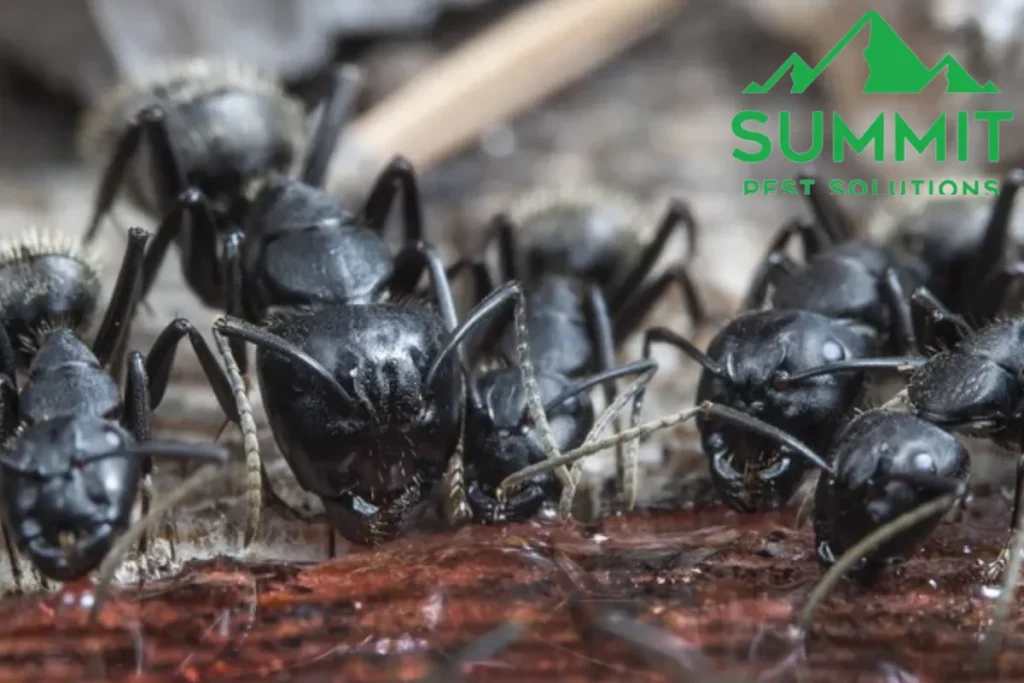
Yes, but it is more accurately called “debris” or “refuse.” Carpenter ant debris consists of shredded wood fragments, soil, and parts of dead insects, as they do not digest the wood but merely excavate it to build nests. - How do you clean up termite frass?
You can easily sweep or vacuum up termite frass. However, cleaning it up does not solve the problem. In fact, professionals often recommend leaving a small sample for the pest expert to identify. Once identified, clean the area to monitor for new frass, which indicates an active, ongoing infestation. - Should I be worried if I see sawdust near baseboards?
Yes, unexpected sawdust (or frass) indoors is a strong indicator of wood-destroying insect activity. While it might not be termites, it could be carpenter ants, carpenter bees, or wood-boring beetles, all of which require professional evaluation to prevent structural damage.
At Summit Pest Solutions, we know that finding signs of pests in your home or business can be incredibly stressful. As a family-owned business with over 35 years of hands-on industry experience, we are your trusted neighbors in pest management. We believe in honesty, integrity, and providing exceptional customer service.
When you choose us, you aren’t just getting a generic service; you are getting a personalized approach from an owner-led team. In fact, you may even speak directly to the owner on your very first call! We are dedicated to transparent communication, fair pricing, and delivering eco-friendly, family-safe treatments that provide true peace of mind.
Don’t let recurring pest problems frustrate you or cause unnecessary worry. Let our friendly, knowledgeable professionals restore the safety and comfort of your property.
Ready to get to the bottom of your pest issue? We invite you to explore our educational resources or reach out to us today. Contact us for a free quote, schedule a service, or request an inspection.


